Understanding Sciatica: Causes and Natural Relief Options

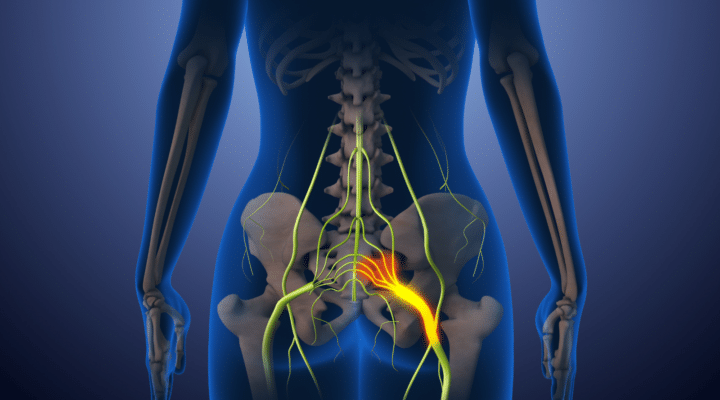
Sciatica is one of the most common causes of lower back and leg pain. Many people use the term “sciatica” to describe any pain traveling down the leg, but true sciatica involves irritation of the sciatic nerve, the largest nerve in the body.

Sciatica symptoms can range from mild discomfort to sharp, radiating pain that interferes with daily activities, sitting, driving, or sleeping. Understanding what causes sciatica and what treatment options are available can help you take steps toward relief.

What Is Sciatica?

The sciatic nerve begins in the lower back and travels through the hips and buttocks before extending down each leg. When this nerve becomes irritated or compressed, symptoms of sciatica may develop.

Sciatica typically affects one side of the body and may cause pain that radiates from the lower back into the buttock, thigh, calf, or foot.

Common Symptoms of Sciatica

Symptoms vary from person to person, but common complaints include:

  • Sharp or burning pain in the leg

  • Tingling or numbness

  • Pain that worsens with sitting

  • Weakness in the leg or foot

  • Lower back pain

  • Discomfort while driving

  • Pain that travels below the knee

Some people describe sciatica as a shooting or electric-like pain.

What Causes Sciatica?

Several conditions may contribute to sciatic nerve irritation, including:

Disc Herniations

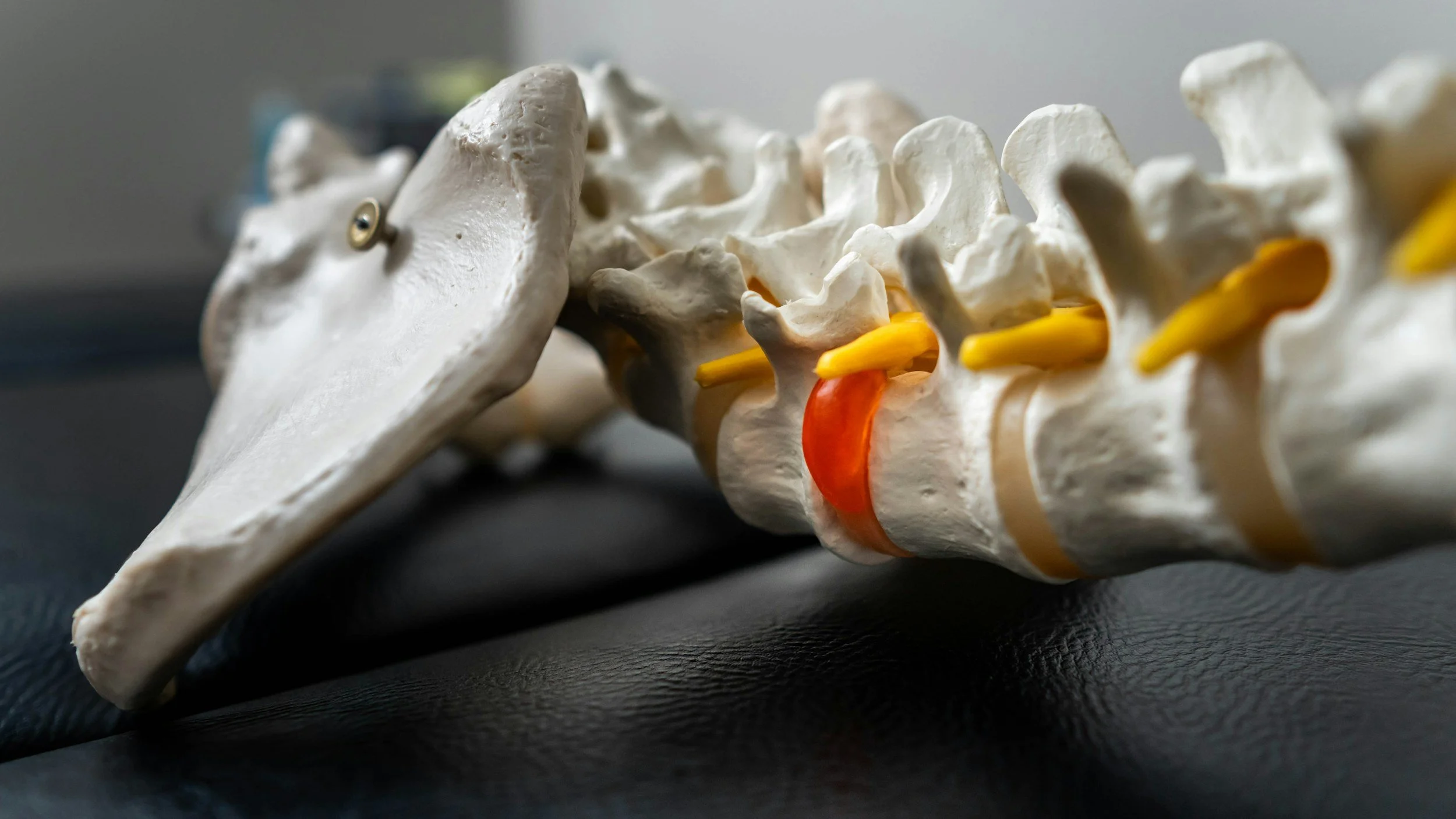
A disc herniation occurs when the soft inner portion of a spinal disc pushes outward and irritates nearby nerves.

Spinal Joint Dysfunction

Restricted or irritated spinal joints may contribute to altered movement and inflammation around surrounding nerves.

Muscle Tightness

Tight muscles in the hips and buttocks, including the piriformis muscle, may place pressure on the sciatic nerve.

Prolonged Sitting

Extended sitting, especially with poor posture, can increase stress on the lower back and surrounding tissues.

Natural and Conservative Treatment Options

Many cases of sciatica improve with conservative treatment focused on reducing irritation and improving mobility.

Treatment may include:

  • Chiropractic care

  • Stretching exercises

  • Mobility work

  • Postural correction

  • Core strengthening

  • Ice or heat therapy

  • Activity modification

The goal of treatment is often to improve movement, reduce inflammation, and decrease stress on the irritated nerve.

Helpful Lifestyle Tips

Small daily habits can also help reduce sciatic irritation:

  • Avoid prolonged sitting when possible

  • Use proper lifting techniques

  • Maintain regular movement throughout the day

  • Improve workstation ergonomics

  • Stretch regularly

  • Stay active within tolerance

When Should You Seek Evaluation?

Persistent leg pain, numbness, weakness, or worsening symptoms should be evaluated by a healthcare professional. Early treatment may help reduce irritation and improve recovery.

At Waldwick Family Chiropractic, we work with patients experiencing lower back pain and sciatica-related symptoms to help identify contributing factors and develop personalized conservative treatment plans.

Do I Have a Pinched Nerve? Recognizing the Symptoms

If you’ve been experiencing numbness, tingling, burning pain, or weakness in your neck, back, arms, or legs, you may be wondering if a pinched nerve is the cause. Pinched nerves are a common condition that can affect people of all ages and activity levels. While symptoms can range from mild discomfort to more noticeable pain and weakness, recognizing the signs early can help you seek appropriate care before symptoms worsen.

At Waldwick Family Chiropractic, we regularly see patients dealing with symptoms related to irritated or compressed nerves. Understanding what a pinched nerve is and how it may develop can help you better recognize when it may be time to seek evaluation and treatment.

What Is a Pinched Nerve?

A pinched nerve occurs when surrounding tissues place excessive pressure on a nerve. This pressure can come from muscles, joints, discs, inflammation, or other nearby structures. When a nerve becomes irritated or compressed, it may not function properly, leading to pain, numbness, tingling, or weakness.

Pinched nerves commonly occur in the neck and lower back because these areas experience frequent movement and stress throughout daily life.

Common Symptoms of a Pinched Nerve

Symptoms can vary depending on which nerve is affected, but common signs include:

  • Tingling or “pins and needles” sensations

  • Numbness in the arms, hands, legs, or feet

  • Sharp or burning pain

  • Muscle weakness

  • Pain that radiates down an arm or leg

  • Increased discomfort with certain movements or positions

Some people notice symptoms while sitting at a desk, driving, sleeping, or using their phone for extended periods.

Pinched Nerve in the Neck

A pinched nerve in the neck, sometimes called cervical radiculopathy, may cause:

  • Neck pain or stiffness

  • Shoulder pain

  • Tingling in the arm or hand

  • Weakness when gripping objects

  • Pain that travels down the arm

Poor posture, repetitive movements, disc issues, and prolonged computer or phone use can all contribute to irritation in the cervical spine.

Pinched Nerve in the Lower Back

When a nerve becomes compressed in the lower back, symptoms may include:

  • Lower back pain

  • Pain radiating into the buttock or leg

  • Numbness or tingling in the foot

  • Weakness while walking

  • Increased pain when sitting

Sciatica is one of the most common examples of lower back nerve irritation.

What Causes a Pinched Nerve?

Several factors may contribute to nerve irritation, including:

  • Disc bulges or disc herniations

  • Joint inflammation

  • Muscle tightness

  • Poor posture

  • Repetitive motions

  • Sports injuries

  • Degenerative changes in the spine

  • Prolonged sitting

In many cases, symptoms develop gradually over time due to repeated stress on the body.

Conservative Treatment Options

Treatment for a pinched nerve depends on the cause and severity of symptoms. Conservative care often focuses on reducing irritation, improving mobility, and restoring normal movement patterns.

Treatment options may include:

  • Chiropractic care

  • Stretching and mobility exercises

  • Postural correction

  • Soft tissue therapy

  • Activity modifications

  • Ergonomic recommendations

Many patients find that improving posture, reducing inflammation, and restoring movement can help relieve pressure on irritated nerves.

When Should You Seek Care?

While some mild symptoms may improve with rest, persistent numbness, weakness, or radiating pain should be evaluated. Early treatment may help prevent symptoms from worsening and improve long-term outcomes.

If you have been experiencing ongoing neck pain, back pain, tingling, or numbness, our team at Waldwick Family Chiropractic can help determine the cause of your symptoms and discuss conservative treatment options tailored to your needs.

How Chiropractic Care Can Support Your Seasonal Activities

As the leaves change color and the air turns crisp, fall brings a bounty of activities to enjoy. From apple picking to hiking and preparing for the holidays, this season is full of excitement. However, with all the fun can come the risk of injuries and discomfort. This is where chiropractic care can make a difference. Let’s explore how chiropractic care can support your fall activities and help you stay active and pain-free.

The Benefits of Chiropractic Care in Fall

Chiropractic care focuses on the alignment of the spine and musculoskeletal system, which plays a crucial role in your overall health. Here are a few ways chiropractic care can be particularly beneficial during the fall:

1. Preventing and Treating Injuries

With the change of season, many people jump into activities they haven’t done in a while, increasing the risk of injuries. Common fall activities like raking leaves, hiking, or even playing sports can lead to strains, sprains, and back pain.

Example: If you’re raking leaves, you might twist awkwardly while lifting a heavy bag. This can strain your back. Regular chiropractic adjustments can help keep your spine aligned, reducing the risk of injury. If you do experience pain, a chiropractor can provide treatment to relieve discomfort and promote healing.

2. Supporting Youth Sports Participation

Fall is a busy season for youth sports, with football, soccer, and cross-country in full swing. While these activities promote fitness and teamwork, they can also lead to injuries from falls, collisions, or overexertion.

Example: A young athlete may experience a sprained ankle or a growing pain from intense training. Chiropractic care can help manage these injuries through targeted treatments and advice on proper techniques and training regimens. This ensures that kids can stay active and enjoy their sports without unnecessary pain.

3. Promoting Posture Awareness for Back-to-School

As children return to school, they often spend long hours sitting at desks or carrying heavy backpacks, which can lead to poor posture and back pain. Chiropractic care can help educate both children and parents about the importance of maintaining good posture.

Example: A chiropractor can provide tips on how to sit properly at a desk, the best way to carry a backpack, and exercises to strengthen core muscles. This proactive approach helps prevent discomfort and promotes better posture throughout the school year.

4. Improving Mobility and Flexibility

As temperatures drop, some people become less active, which can lead to stiffness in the joints and muscles. Chiropractic adjustments can improve mobility and flexibility, making it easier to enjoy fall activities.

Example: If you love hiking but feel stiff after a long summer of limited movement, chiropractic care can help restore your range of motion. This allows you to tackle those scenic trails with ease.

5. Enhancing Overall Wellness

Chiropractors not only address pain but also focus on enhancing overall wellness. During the fall, it’s essential to maintain a healthy immune system as we transition into colder months.

Example: Regular chiropractic visits can help boost your immune system by improving nervous system function. This is especially important if you’re planning to attend fall gatherings or participate in seasonal sports.

6. Managing Seasonal Allergies

Fall can bring allergies from mold and ragweed, which may lead to sinus pressure and headaches. Chiropractors can provide treatments that may alleviate these symptoms.

Example: If you suffer from seasonal headaches, chiropractic adjustments can help relieve tension in the neck and upper back, reducing headache frequency and severity.

Tips for a Healthy Fall

To make the most of this beautiful season while minimizing the risk of injuries, consider the following tips:

  • Warm Up: Before diving into any physical activity, take time to stretch and warm up your muscles. This can help prevent injuries.

  • Use Proper Techniques: Whether you’re lifting heavy bags of leaves or climbing a ladder to hang decorations, use proper body mechanics to avoid strain.

  • Stay Hydrated: Cooler weather can make you forget to drink water, but staying hydrated is crucial for joint health.

  • Invest in Shoe Support and Custom Orthotics: Proper footwear is essential for maintaining foot health and alignment, especially during activities like hiking or playing sports. Custom orthotics can provide additional support and cushioning, helping to prevent discomfort and injuries related to poor foot mechanics.

  • Schedule Regular Chiropractic Visits: Regular adjustments can help keep your body in balance and ready for all the fall fun.