
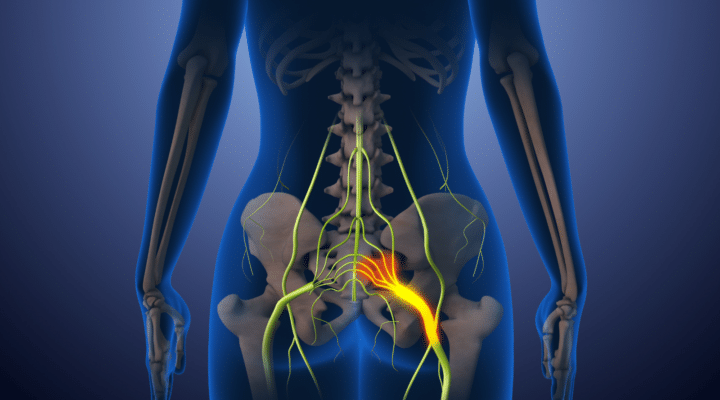
Sciatica is one of the most common causes of lower back and leg pain. Many people use the term “sciatica” to describe any pain traveling down the leg, but true sciatica involves irritation of the sciatic nerve, the largest nerve in the body.
Sciatica symptoms can range from mild discomfort to sharp, radiating pain that interferes with daily activities, sitting, driving, or sleeping. Understanding what causes sciatica and what treatment options are available can help you take steps toward relief.
What Is Sciatica?
The sciatic nerve begins in the lower back and travels through the hips and buttocks before extending down each leg. When this nerve becomes irritated or compressed, symptoms of sciatica may develop.
Sciatica typically affects one side of the body and may cause pain that radiates from the lower back into the buttock, thigh, calf, or foot.
Common Symptoms of Sciatica
Symptoms vary from person to person, but common complaints include:
Sharp or burning pain in the leg
Tingling or numbness
Pain that worsens with sitting
Weakness in the leg or foot
Lower back pain
Discomfort while driving
Pain that travels below the knee
Some people describe sciatica as a shooting or electric-like pain.
What Causes Sciatica?
Several conditions may contribute to sciatic nerve irritation, including:
Disc Herniations
A disc herniation occurs when the soft inner portion of a spinal disc pushes outward and irritates nearby nerves.
Spinal Joint Dysfunction
Restricted or irritated spinal joints may contribute to altered movement and inflammation around surrounding nerves.
Muscle Tightness
Tight muscles in the hips and buttocks, including the piriformis muscle, may place pressure on the sciatic nerve.
Prolonged Sitting
Extended sitting, especially with poor posture, can increase stress on the lower back and surrounding tissues.
Natural and Conservative Treatment Options
Many cases of sciatica improve with conservative treatment focused on reducing irritation and improving mobility.
Treatment may include:
Chiropractic care
Stretching exercises
Mobility work
Postural correction
Core strengthening
Ice or heat therapy
Activity modification
The goal of treatment is often to improve movement, reduce inflammation, and decrease stress on the irritated nerve.
Helpful Lifestyle Tips
Small daily habits can also help reduce sciatic irritation:
Avoid prolonged sitting when possible
Use proper lifting techniques
Maintain regular movement throughout the day
Improve workstation ergonomics
Stretch regularly
Stay active within tolerance
When Should You Seek Evaluation?
Persistent leg pain, numbness, weakness, or worsening symptoms should be evaluated by a healthcare professional. Early treatment may help reduce irritation and improve recovery.
At Waldwick Family Chiropractic, we work with patients experiencing lower back pain and sciatica-related symptoms to help identify contributing factors and develop personalized conservative treatment plans.
